



Every home has details that make it different. The way sunlight comes through your kitchen window in the morning, the sound of kids dropping backpacks by the door, the shelves filled with family photos. These details create the atmosphere of your house, but behind them is a practical foundation that keeps everything working. If your home uses a private well, one of the most important systems is the well pump. It’s the tool that delivers water to every tap and appliance in your house.
This is the ultimate guide to well pumps, designed to help homeowners build confidence in how their pump works and what signs to watch for. By having a better understanding of the system, you'll know what to expect during maintenance and what you need to know before replacing your well pump. These are the things every well pump owner should know so that daily life can continue without interruption.
How Does a Well Pump Work?
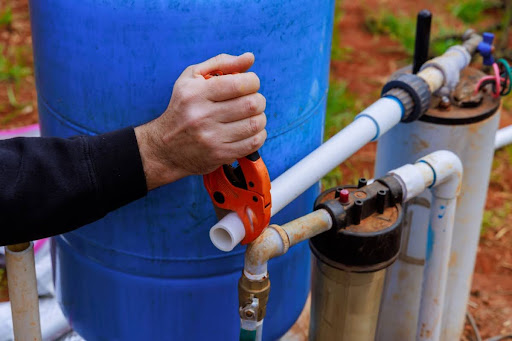
A well pump is the piece of equipment that moves water from your underground well into your plumbing system. Without it, sinks, showers, toilets, and appliances wouldn’t function.
The pump draws water through a pipe, pushes it past a check valve, and delivers it into a pressure tank or storage tank. A pressure switch senses when levels drop and signals the pump to start again. When the tank fills to its set level, the switch tells the pump to stop. That cycle continues every time someone turns on a faucet, runs the dishwasher, or waters the lawn with an irrigation system.
Different designs accomplish this in different ways. A submersible pump is placed deep inside the well, completely underwater, and uses an impeller to push water upward. A jet pump sits above ground and uses suction, sometimes paired with an injector for deeper wells. A centrifugal pump works well in shallow wells by spinning water into the system.
Things Every Well Pump Owner Should Know
Owning a private well means having more responsibility for your water system. These are things every well pump owner should know:
- Life Expectancy: Most well pumps last between eight and 15 years. Water quality and usage play a role in how long yours will last. Keeping track of the installation year helps you prepare for replacement before you are left without water.
- Water Pressure Matters: If pressure at your tap is low, the problem could involve the pump, the valve system, or the pressure tank. Fluctuating pressure is often one of the first warning signs.
- Listen for Clues: A pump that runs constantly, clicks repeatedly at the switch, or produces unusual sounds may be working harder than it should. This extra strain reduces lifespan.
- Leaks Add Up Quickly: A small leak at a connection point or along the pipe can grow into a bigger repair. Leaks also allow air into the system, which can damage the pump.
- Professional Help Pays Off: Working with a well pump specialist can prevent recurring problems. Local experts, such as our Harrisburg plumbers, know how to diagnose and repair issues quickly.
These are practical, everyday considerations that can help you get more years out of your system.
What You Need to Know Before Replacing Your Well Pump
Replacing a well pump is a significant project. Here is what you need to know before replacing your well pump:
- Cost: So, how much is a well pump replacement? The answer depends on the type of pump, the depth of the well, and the amount of labor involved.
- Connections and Controls: Pumps require electrical wiring, often connected through a relay and a switch. Incorrect wiring creates safety risks and can shorten the life of the pump.
- Tank Condition: Problems are not always caused by the pump. A failing pressure tank or defective check valve can create the same symptoms. Testing the system as a whole avoids unnecessary replacement.
- Correct Sizing: A pump must be sized to match your household demand. A pump that is too small cannot keep up with use, while one that is too large wastes energy.
- Professional Installation: Hiring a well pump specialist provides accuracy during replacement. The job involves careful measurement, correct wiring, and testing for water quality.
Signs Your Well Pump May Need Repair or Replacement
A well pump rarely fails in silence. Instead, it usually gives off clues that something is wrong. Recognizing these signs helps you take action before the situation becomes more complicated.
- Constantly Running Pump: If the pump seems to run without stopping, it could be caused by a faulty check valve, a worn pressure switch, or a leak somewhere in the system. Continuous operation shortens the pump's lifespan.
- Air in the Lines: When air comes out of your faucets, the pump may be drawing in air through a crack in the pipe or a failing impeller. This issue disrupts water delivery and stresses the system.
- Cloudy or Discolored Water: Your water supply should always be clear. Sediment, dirt, or discoloration may point to a failing seal, damage inside the pump, or a change in the water source itself.
- Unreliable Water Pressure: Showers going weak and appliances taking longer to fill can indicate that the pump is no longer keeping up.
- Slow Irrigation Performance: If your lawn irrigation system no longer delivers a steady water flow, your pump may be the reason. Irrigation requires consistent pressure, and a struggling pump can throw that off balance.
These are warning signs that should not be ignored. The sooner you identify them, the less likely you are to deal with a full replacement before it is necessary.
Trust Harrisburg’s Local Experts for Your Well Pump Needs
While having an understanding of your well pump helps you recognize issues, professional expertise is what solves them. Installing or repairing a pump involves electrical knowledge, safe handling of water systems, and accurate sizing of equipment. Mistakes during installation can lead to leaks, electrical failures, or water contamination.
This is where working with the expert plumbers at G.F. Bowman makes all the difference. Since 1967, our team has specialized in plumbing systems, including well pumps. Each job is done with precision and care, so homeowners can feel confident that the repair or replacement will last. Contact us today to schedule a service!
 1..
1..
 2..
2..
 3..
3..
 4..
4..
 5..
5..
 6..
6..