



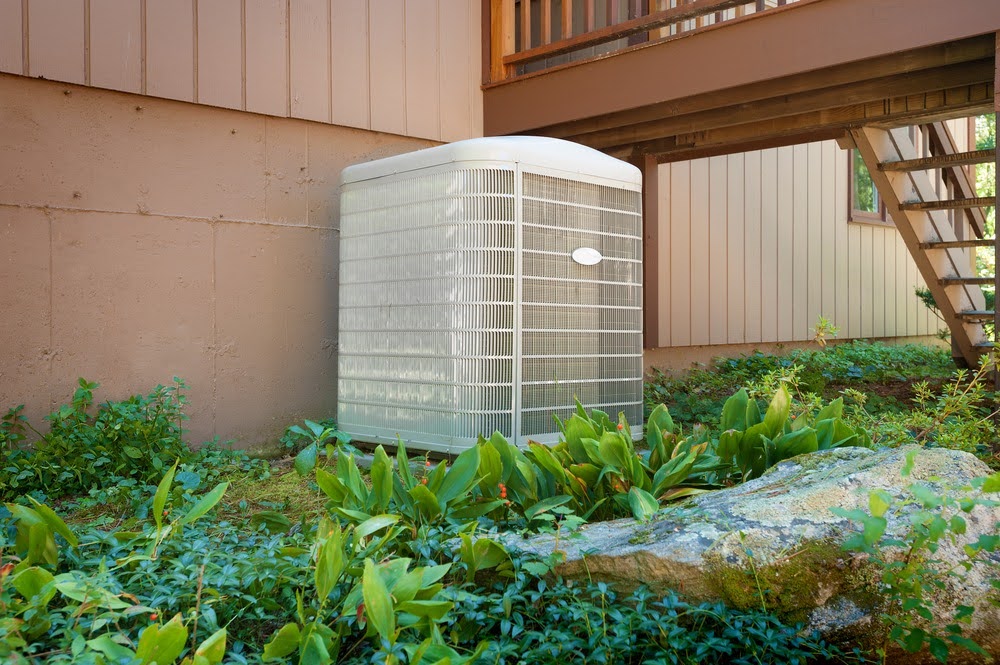
Many homeowners assume refrigerant works like gasoline in a car and needs to be topped off regularly. In reality, your air conditioner is designed as a sealed system, meaning refrigerant should never be consumed during normal operation. If your AC is low on refrigerant, it almost always means there's an underlying problem that needs professional attention.
Understanding how refrigerant works and recognizing the signs of a leak can help you avoid reduced cooling performance, rising energy bills, and unnecessary wear on your air conditioning system. Knowing when to schedule service can also help prevent a small issue from becoming a much larger repair.
Does an Air Conditioner Need Regular Refrigerant Refills?
The simple answer is no. A properly functioning air conditioner should never need routine refrigerant refills because refrigerant continuously circulates through a closed system. As it moves through the evaporator and condenser coils, it absorbs heat from inside your home and releases it outdoors without being used up.
If a technician recommends adding refrigerant every year or every few seasons, it's important to find out why the refrigerant level has dropped. Simply recharging the system without fixing the source of the problem only provides temporary relief, and the same issue will likely return.
In most situations, low refrigerant indicates a leak somewhere within the system. Locating and repairing that leak should always be the priority before adding additional refrigerant.
What Does Refrigerant Actually Do?
Refrigerant is the substance that allows your air conditioner to remove heat from your home. As it circulates through the system, it repeatedly changes between a liquid and a gas, carrying heat from indoors to the outdoor unit.
Without the proper amount of refrigerant, this heat transfer process cannot happen efficiently. As refrigerant levels drop, your air conditioner has to work harder to cool your home, often running longer while delivering less comfort.
Although refrigerant plays a critical role in cooling performance, it isn't a fuel source that gets depleted over time. Unless there's a leak or system damage, the same refrigerant should remain inside your air conditioner for many years.
What Causes Refrigerant Loss?
Because refrigerant remains inside a sealed system, it only escapes when something allows it to leak. Normal operation does not reduce refrigerant levels, so any loss usually indicates damage or wear somewhere within the system.
Several issues can lead to refrigerant leaks over time:
- Corroded Coils: Tiny holes can develop in evaporator or condenser coils due to corrosion.
- Loose Connections: Fittings and joints may gradually loosen after years of operation.
- Damaged Refrigerant Lines: Physical damage or vibration can create small leaks in refrigerant tubing.
- Factory Defects: Although uncommon, manufacturing defects can occasionally allow refrigerant to escape.
- Age-Related Wear: Older air conditioning systems naturally experience more wear on seals and connections.
Signs Your Air Conditioner May Be Low on Refrigerant
A refrigerant leak usually develops gradually, which means homeowners often notice changes in cooling performance before the system stops working completely. Paying attention to these warning signs can help you schedule repairs before additional damage occurs.
Your Home Isn't Cooling Properly
If your air conditioner runs for long periods but struggles to reach the temperature you've selected, low refrigerant may be limiting its ability to remove heat efficiently. The system may continue running almost constantly while providing only limited cooling.
Warm Air Coming From the Vents
When refrigerant levels become too low, your air conditioner may begin blowing air that feels cool at first but never becomes cold enough to keep your home comfortable. This is often one of the earliest signs that professional inspection is needed.
Ice Forms on the Evaporator Coil
Low refrigerant reduces system pressure, causing the evaporator coil to become excessively cold. As moisture in the air freezes on the coil, ice begins to accumulate, restricting airflow and making cooling performance even worse. In many cases, AC repair is needed to identify the cause and restore proper operation.
Higher Energy Bills
An air conditioner that's low on refrigerant usually has to run longer to cool your home. The extra runtime increases energy consumption, which can lead to noticeably higher utility bills even if your cooling habits haven't changed.
If your monthly cooling costs suddenly increase without an obvious explanation, it's worth having your system inspected to determine whether a refrigerant leak or another performance issue is affecting efficiency.
Hissing or Bubbling Sounds
In some cases, a refrigerant leak produces a faint hissing or bubbling sound as refrigerant escapes through a damaged line or connection. While not every leak is audible, unusual noises coming from your indoor or outdoor unit should never be ignored. Because refrigerant systems operate under pressure, diagnosing and repairing leaks should always be left to trained HVAC technicians.
Why Simply Adding Refrigerant Isn't the Solution
When refrigerant levels are low, adding more refrigerant without repairing the leak only addresses the symptom instead of the cause. Eventually, the newly added refrigerant will escape as well, leaving you with the same cooling problems and another service call.
A proper repair begins by locating the source of the leak, repairing the damaged component, testing the system, and then recharging it with the manufacturer-recommended amount of refrigerant. This approach restores cooling performance while helping prevent future refrigerant loss.
Can Low Refrigerant Damage Your Air Conditioner?
Yes. Continuing to operate an air conditioner with insufficient refrigerant can place excessive strain on the compressor, one of the most important and expensive components in the system. Because the compressor depends on proper refrigerant levels to operate efficiently, prolonged refrigerant loss can eventually lead to compressor failure.
Low refrigerant may also contribute to frozen evaporator coils, longer cooling cycles, reduced efficiency, and uneven indoor temperatures. Addressing refrigerant problems early helps protect your equipment while avoiding more costly repairs later.
How Can You Help Prevent Refrigerant Problems?
Although homeowners can't completely prevent every refrigerant leak, routine maintenance makes it much easier to identify developing issues before they become major repairs. During a seasonal AC maintenance visit, technicians inspect refrigerant lines, check operating pressures, evaluate cooling performance, and look for signs of wear throughout the system.
It's also helpful to pay attention to changes in your air conditioner's performance. Longer cooling cycles, weak airflow, frozen coils, or rising energy bills should never be ignored, as they often indicate that the system needs professional attention.
Keep Your Air Conditioner Running Efficiently
Your air conditioner should not require regular refrigerant refills under normal operating conditions. If refrigerant levels are low, there's almost always a leak or another problem that should be repaired before the system is recharged. Addressing the issue promptly helps restore cooling performance, improve efficiency, and protect your equipment from unnecessary damage.
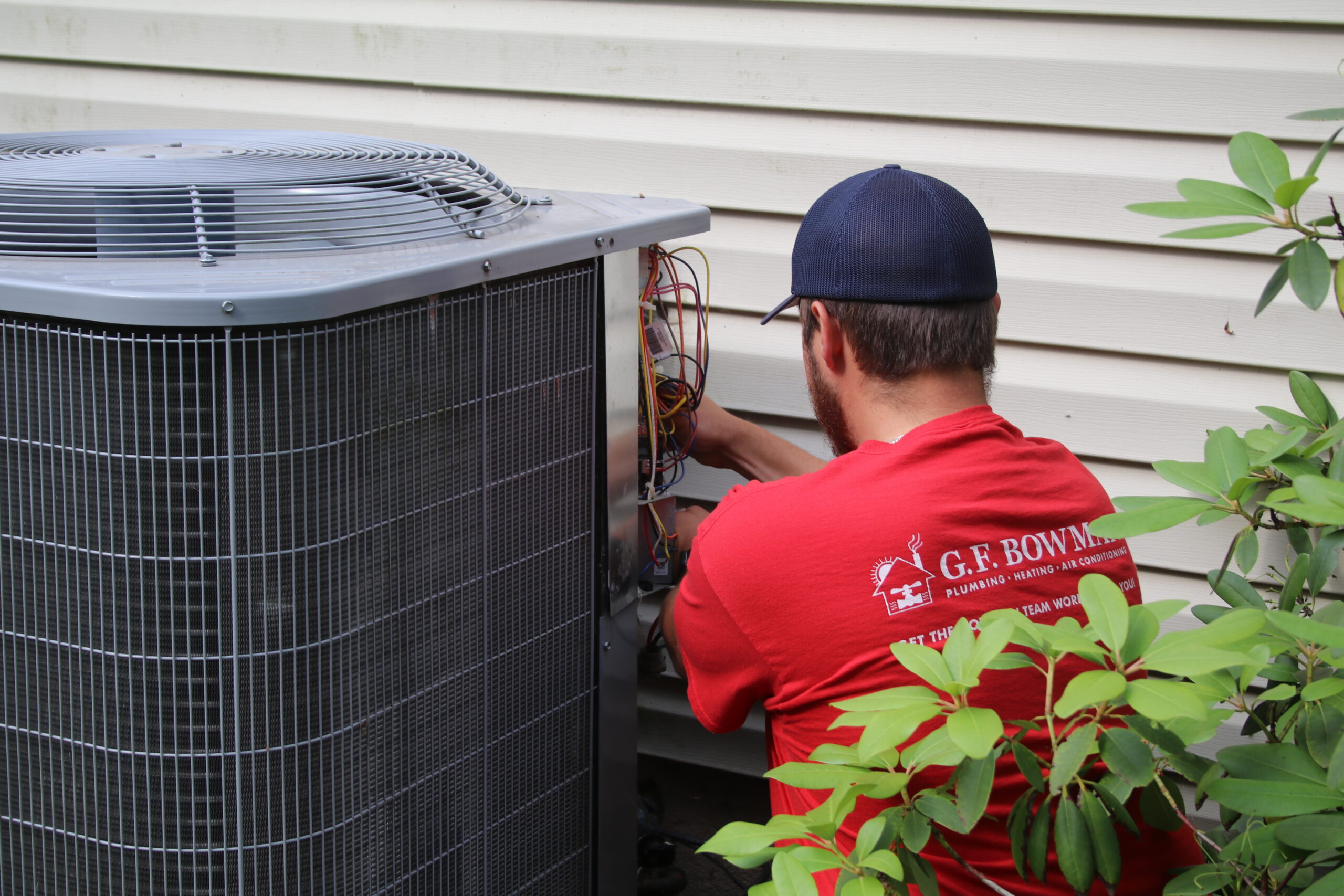
If your air conditioner isn't cooling properly or you suspect a refrigerant problem, G.F. Bowman can help. Our experienced technicians can diagnose the issue, perform the necessary AC repair, and restore dependable cooling to keep your home comfortable all season long. Contact us today to schedule an inspection and restore your air conditioner's performance.
 1..
1..
 2..
2..
 3..
3..
 4..
4..
 5..
5..
 6..
6..