



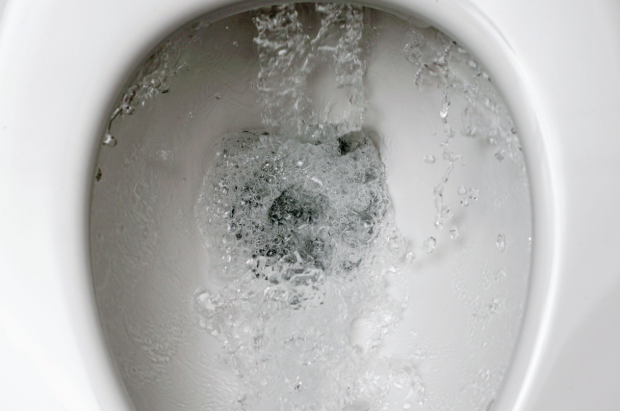
At first, a running toilet might not seem like a big deal. You hear the faint sound of water refilling the tank long after you’ve flushed, but it eventually stops… or maybe it doesn’t. It’s easy to brush off as a small annoyance. However, that constant trickle of water can waste hundreds of gallons each day and quietly drive up your monthly utility bills.
Many homeowners try quick DIY fixes, such as jiggling the handle or adjusting a component inside the tank. While that may temporarily stop the noise, persistent toilet problems often point to underlying plumbing issues that require professional attention. Ignoring the problem can lead to higher costs and unnecessary water waste.
At G.F. Bowman, we’ve been helping Central Pennsylvania homeowners solve plumbing issues since 1967. From our beginnings in George and Esther Bowman’s garage to serving communities throughout Harrisburg, Lebanon, and beyond, our focus has always been on quality workmanship and priority service. If your toilet keeps running after flushing, understanding the cause is the first step toward a reliable, long-term solution.
Worn or Faulty Flapper
One of the most common causes of a running toilet is a worn or faulty flapper. The flapper is a rubber valve located at the bottom of your toilet tank. When you flush, the flapper lifts, allowing water from the tank to flow into the bowl. Once the tank empties, the flapper should settle back into place and create a watertight seal, allowing the tank to refill and stop running.
Over time, flappers can warp, crack, or deteriorate due to age, mineral buildup, or constant exposure to water. When this happens, the seal is no longer tight, and water slowly leaks from the tank into the bowl. The fill valve then continuously runs to replace the lost water.
Warning Signs:
- A toilet that refills periodically without being flushed
- Visible wear or distortion on the flapper
- Water trickling into the bowl long after flushing
While replacing a flapper may seem simple, improper installation or using the wrong size can lead to continued problems. A professional plumber can ensure the correct part is installed and check for any additional issues contributing to the leak.
Improperly Adjusted or Damaged Float
The float controls the water level in your toilet tank. As the tank fills after a flush, the float rises. Once it reaches a certain height, it signals the fill valve to shut off.
If the float is set too high or becomes damaged, it may allow too much water into the tank. When the water level rises above the proper mark, it can spill into the overflow tube, causing the toilet to run continuously.
Warning Signs:
- Water level in the tank appears unusually high
- Constant water movement in the overflow tube
- Toilet runs nonstop after flushing
While adjusting the float may stop the immediate problem, underlying issues, such as sediment buildup or wear, may require professional attention. An experienced technician can assess the float mechanism and ensure that everything is properly calibrated.
Fill Valve Problems
The fill valve controls the flow of water into the tank after a flush. If this component becomes worn, clogged with mineral deposits, or damaged, it may fail to shut off completely.
Sediment from hard water, which is common in parts of Central Pennsylvania, can accumulate inside the valve over time. This buildup can interfere with proper operation, causing water to continue running even when the tank appears full.
Warning Signs:
- A hissing sound coming from the tank
- Inconsistent water levels
- Toilet takes an unusually long time to stop running
Replacing or repairing a fill valve requires precision to ensure proper water pressure and shut-off functionality. A professional plumber can determine whether the valve needs cleaning, adjustment, or full replacement.
Chain Issues
The chain connecting the flush handle to the flapper plays a small but critical role. If the chain is too short, it may prevent the flapper from sealing properly. If it’s too long, it can become tangled or caught underneath the flapper, leaving a gap for water to leak through.
Warning Signs:
- Flapper not fully closing after flushing
- Chain visibly tangled or caught
- Handle feels loose or sticks
While adjusting the chain might temporarily resolve the issue, repeated problems could indicate wear on other internal components. A professional inspection ensures all parts inside the tank are functioning properly.
Overflow Tube Issues
The overflow tube is a safety feature that prevents the tank from overfilling. If the water level is set too high or the fill valve malfunctions, excess water will drain into the overflow tube, causing the toilet to run continuously. In some cases, cracks or damage to the overflow tube itself can contribute to persistent water flow.
Warning Signs:
- Water visibly draining into the overflow tube
- Tank water level consistently above the recommended line
- Continuous running sound even after adjustments
Identifying the root cause of overflow problems often requires a thorough evaluation of multiple components. A professional plumber can diagnose the issue accurately and prevent recurring problems.
The Risks of Ignoring a Running Toilet
While a running toilet may seem minor, the consequences of ignoring it can add up quickly.
Higher Water Bills
A continuously running toilet can waste hundreds of gallons of water per day. Over time, this significantly increases your utility costs.
Increased Strain on Plumbing Components
Constant water flow places unnecessary stress on valves, seals, and other components, leading to premature wear and more extensive repairs.
Potential Leaks or Water Damage
Persistent issues inside the tank can eventually lead to leaks around seals or connections, potentially causing water damage to floors and subflooring.
Environmental Impact
Wasted water isn’t just costly; it also places additional strain on local water resources. Addressing plumbing inefficiencies helps conserve water and protect the environment.
Schedule Plumbing Service with G.F. Bowman
If your toilet keeps running after flushing, don’t ignore the problem. What seems like a minor inconvenience today can become a costly issue tomorrow.
Contact G.F. Bowman, a trusted plumber in Central Pennsylvania, to schedule an inspection or toilet repair service. Whether it’s a running toilet or another plumbing concern, our team is ready to provide dependable solutions backed by decades of experience. Let us help you restore efficiency, reduce water waste, and enjoy peace of mind in your home.
 1..
1..
 2..
2..
 3..
3..
 4..
4..
 5..
5..
 6..
6..