



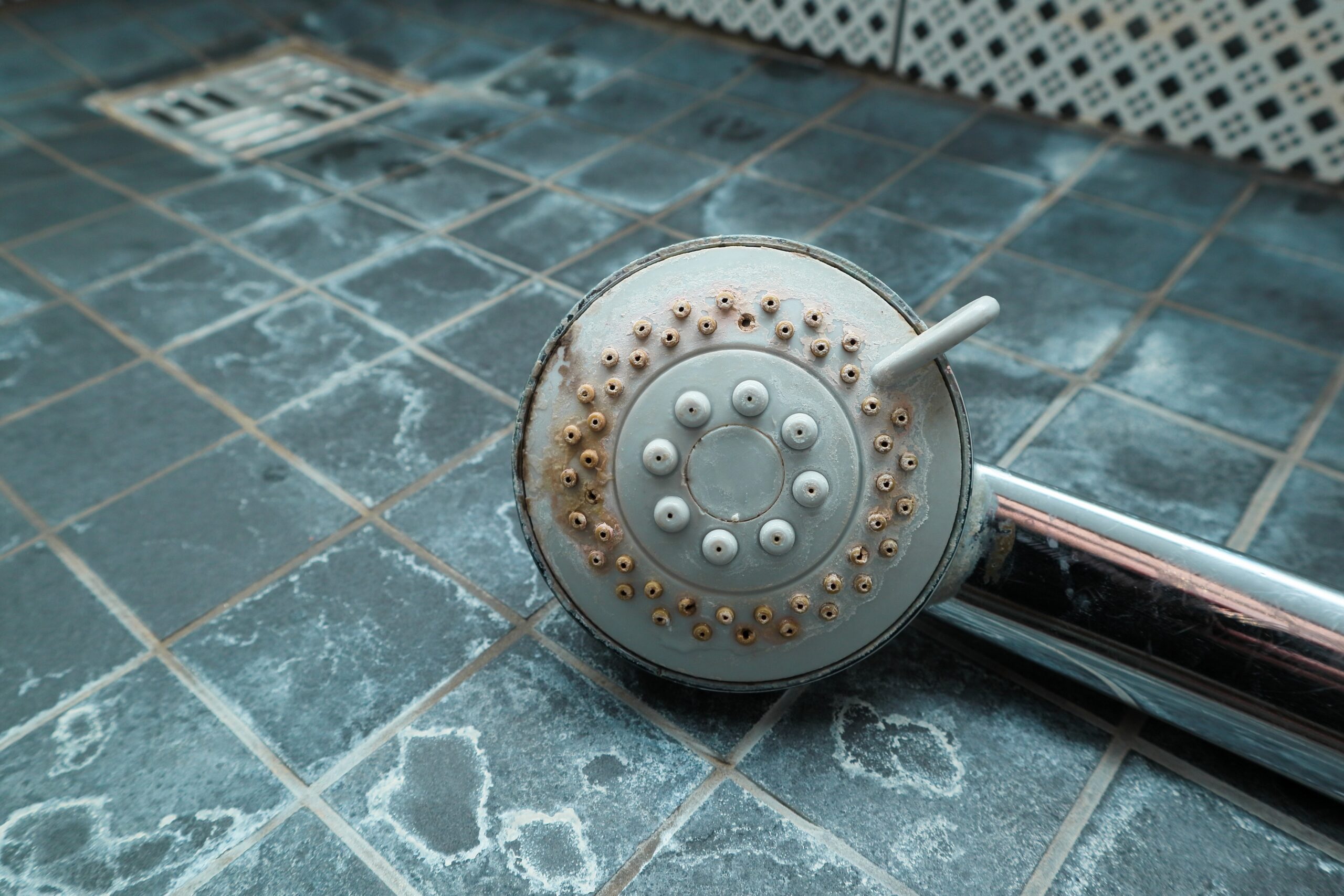
Hard water is a common issue for homeowners, but many people don't realize they have it until problems start appearing throughout the home. From stubborn soap scum and spotty dishes to plumbing issues and appliance wear, hard water can affect much more than the quality of your water.
Hard water contains elevated levels of dissolved minerals, primarily calcium and magnesium. While these minerals aren't typically harmful to your health, they can create challenges for your plumbing system, water-using appliances, and daily household routines. Understanding the warning signs can help you determine whether a water softener may be a worthwhile investment for your home.
What Is Hard Water?
As groundwater moves through soil and rock, it naturally picks up minerals along the way. In many areas of Pennsylvania, water contains varying amounts of calcium and magnesium, which contribute to water hardness.
The higher the mineral concentration, the harder the water becomes. Over time, these minerals can accumulate inside pipes, fixtures, water heaters, and appliances, reducing efficiency and increasing wear.
Signs You May Have Hard Water in Your Home
Hard water often leaves clues throughout your home. While a single symptom may not confirm a problem, multiple signs can indicate that mineral buildup is affecting your water system.
Stubborn Soap Scum and Residue
One of the most noticeable signs of hard water is the white or cloudy residue left behind on sinks, faucets, shower doors, and tubs. Hard water minerals react with soap, making it more difficult to rinse away completely.
Common signs include:
- Soap Scum on Fixtures: White or chalky buildup on bathroom and kitchen surfaces.
- Cloudy Glass Shower Doors: Mineral deposits that are difficult to remove.
- Dull-Looking Fixtures: Faucets and fixtures may lose their shine over time.
Dry Skin and Dull Hair
Hard water can make it more difficult for soap and shampoo to rinse away completely. The remaining residue can leave skin feeling dry and hair looking dull or difficult to manage.
You may notice:
- Dry or Itchy Skin: Mineral deposits can leave skin feeling less hydrated.
- Lifeless Hair: Hair may appear dull, flat, or harder to style.
- Soap That Doesn't Lather Well: Hard water can reduce soap's effectiveness.
Spots on Dishes and Glassware
If your dishwasher consistently leaves spots or film on dishes even after a complete wash cycle, hard water may be the culprit. Minerals left behind during drying can create noticeable marks on glassware and dishes.
Common indicators include:
- Water Spots: White spots remaining after washing.
- Cloudy Glasses: Glassware that never appears completely clean.
- Film on Dishes: Residue that remains despite proper dishwasher operation.
Reduced Water Pressure
Mineral buildup doesn't only appear on visible surfaces. Over time, scale can accumulate inside plumbing pipes and fixtures, restricting water flow. As deposits continue to build, you may experience:
- Lower Water Pressure: Reduced flow from faucets and showerheads.
- Uneven Water Flow: Some fixtures may perform differently than others.
- Frequent Fixture Cleaning: Mineral buildup can clog aerators and showerheads.
Increasing Water Heater Costs
Water heaters are often among the first appliances affected by hard water. Mineral buildup can reduce efficiency and place additional strain on both traditional and tankless water heaters over time.
As minerals settle inside the tank or coat heating elements, the system must work harder to heat water efficiently. This can increase energy consumption and place additional stress on equipment. Excess mineral deposits can collect inside storage tank water heaters, forcing the system to work harder to heat water efficiently.
Signs of hard water affecting your water heater include:
- Higher Utility Bills: Reduced efficiency can increase operating costs.
- Longer Heating Times: Water takes longer to reach the desired temperature.
- Unusual Noises: Mineral buildup can create popping or rumbling sounds inside the tank.
- Shortened Equipment Life: Excess scale can accelerate wear on important components.
Appliance Wear and Tear
Hard water doesn't only impact your plumbing system. It can also affect appliances that rely on water every day. Mineral deposits can accumulate inside internal components, reducing performance and shortening lifespan.
Commonly affected appliances include:
- Dishwashers: Reduced cleaning performance and efficiency.
- Washing Machines: Increased wear on internal parts.
- Water Heaters: Scale buildup that affects operation and efficiency.
- Ice Makers: Mineral deposits that can impact performance.
How a Water Softener Can Help
A water softener works by removing excess calcium and magnesium from your water supply before the water reaches your plumbing system and appliances.
Potential benefits include:
- Reduced Scale Buildup: Help protect pipes, fixtures, and appliances.
- Improved Appliance Efficiency: Water-using equipment may operate more effectively.
- Cleaner Dishes and Glassware: Fewer spots and mineral deposits.
- Softer Skin and Hair: Reduced mineral residue after bathing.
- Lower Maintenance Needs: Less buildup on fixtures and plumbing components.
- Extended Equipment Lifespan: Reduced strain on water heaters and appliances.
Is a Water Softener Right for Your Home?
Not every home requires a water softener, but if you're experiencing multiple hard water symptoms, it may be worth having your water evaluated. A professional assessment can help determine the hardness level of your water and identify whether a water treatment solution would provide meaningful benefits
In many cases, addressing hard water can help improve comfort, reduce maintenance concerns, and protect important plumbing equipment from premature wear. Depending on your home's water quality concerns, homeowners may benefit from combining a water softener with reverse osmosis systems for additional water treatment.
Protect Your Plumbing System From Hard Water Problems
Hard water can gradually impact your home's plumbing system, fixtures, appliances, and overall comfort. While the effects may seem minor at first, mineral buildup can create larger maintenance and efficiency concerns over time.
If you're noticing signs of hard water throughout your home, G.F. Bowman can help. Our experienced team can evaluate your water quality, discuss treatment options, and recommend solutions that fit your household's needs. Contact us now to learn more about water treatment solutions and discover whether a water softener is the right choice for your Harrisburg or Lebanon home.
 1..
1..
 2..
2..
 3..
3..
 4..
4..
 5..
5..
 6..
6..