



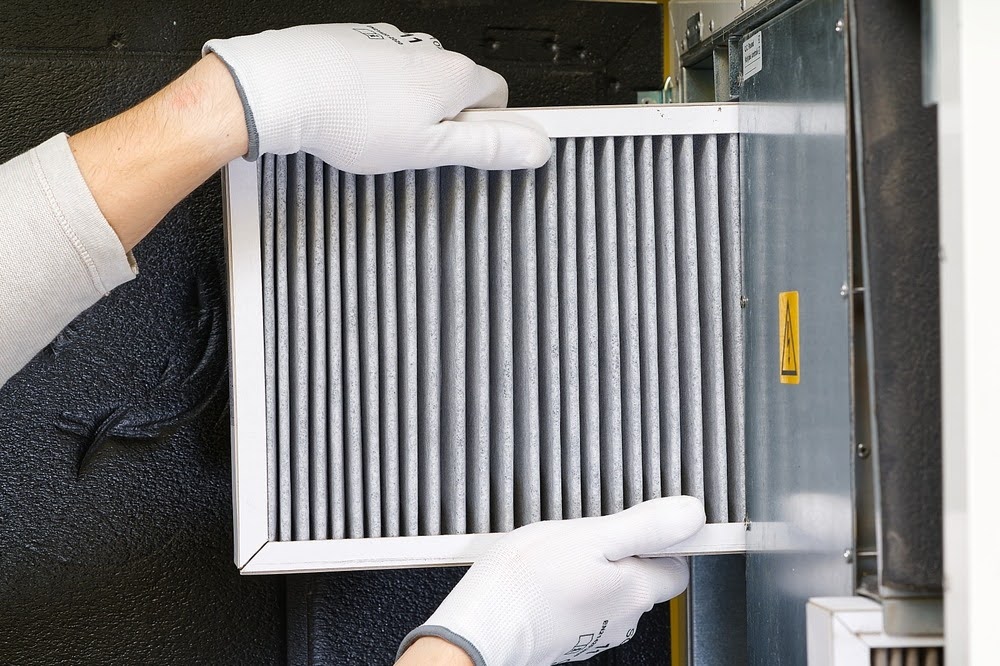
Your HVAC filter does much more than protect your heating and cooling equipment. It also helps improve indoor air quality by capturing airborne particles before they circulate throughout your home. However, not all air filters perform the same way, which is why understanding MERV ratings is important when selecting a replacement filter.
A filter with the right MERV rating can help reduce dust, pollen, pet dander, and other airborne contaminants while allowing your HVAC system to operate efficiently. Choosing a filter with a rating that's too low may allow more particles to pass through, while selecting one that's too high for your system could restrict airflow and reduce performance.
What Is a MERV Rating?
MERV stands for Minimum Efficiency Reporting Value, a standardized rating system developed by the American Society of Heating, Refrigerating and Air-Conditioning Engineers (ASHRAE). The rating measures how effectively an air filter captures airborne particles of different sizes.
MERV ratings typically range from 1 to 16 for residential and commercial HVAC systems, with higher numbers indicating that the filter can trap smaller particles. Filters with higher ratings generally provide better filtration, but they also create more airflow resistance, making it important to choose a filter that matches your HVAC system's capabilities.
Rather than assuming the highest rating is always the best option, homeowners should consider both indoor air quality needs and manufacturer recommendations when selecting an HVAC filter.
How MERV Ratings Compare
While every home has different filtration needs, MERV ratings are generally grouped into several categories based on their performance.
- MERV 1–4 filters provide basic filtration and primarily capture larger particles such as lint, carpet fibers, and dust. These filters offer limited protection against smaller airborne contaminants and are less common in modern residential HVAC systems.
- MERV 5–8 filters are among the most common choices for residential homes. They can capture household dust, mold spores, pet dander, pollen, and other common airborne particles while maintaining good airflow for most heating and cooling systems.
- MERV 9–12 filters offer improved filtration by capturing finer particles, including smaller dust particles and some bacteria. These filters are often selected by homeowners looking to improve indoor air quality, particularly in homes with pets or family members who suffer from allergies.
- MERV 13–16 filters provide a significantly higher level of filtration and can capture very small airborne particles, including many bacteria, smoke particles, and fine dust. However, these filters may not be suitable for every residential HVAC system because the increased filtration can restrict airflow if the equipment is not designed to accommodate them.
Which MERV Rating Is Best for Most Homes?
For many households, filters rated between MERV 8 and MERV 11 provide an effective balance between filtration and airflow. These filters remove many of the common airborne contaminants found in residential homes while allowing most HVAC systems to operate efficiently.
Homes with pets, allergy sufferers, or higher indoor dust levels may benefit from a slightly higher MERV rating if the HVAC system is designed to support it. However, installing the highest-rated filter available isn't always the best decision.
Before upgrading to a higher-efficiency filter, it's important to review your HVAC manufacturer's recommendations. Using a filter that creates excessive airflow resistance can place unnecessary strain on the blower motor, reduce heating and cooling performance, and potentially increase energy consumption.
Factors to Consider When Choosing an HVAC Filter
Choosing the right HVAC filter involves more than simply comparing MERV numbers. Several factors should influence your decision to ensure your heating and cooling system continues operating efficiently.
Consider:
- Your HVAC manufacturer's recommended filter rating.
- Whether anyone in your household has allergies or asthma.
- The number of pets in your home.
- Local air quality and seasonal pollen levels.
- How frequently you replace your HVAC filter.
For many homeowners, combining the right filter with routine air cleaning & filtration solutions can further improve indoor air quality while helping reduce airborne contaminants throughout the home.
Can a Higher MERV Rating Damage Your HVAC System?
A common misconception is that choosing the highest MERV rating automatically results in better air quality. While higher-rated filters capture smaller particles, they can also make it harder for air to move through your HVAC system.
If airflow becomes restricted, your heating and cooling equipment may need to work harder to maintain comfortable temperatures. Over time, reduced airflow can contribute to problems that require AC repair. Over time, this additional strain can reduce efficiency, increase energy costs, and contribute to unnecessary wear on system components.
This doesn't mean higher-rated filters should always be avoided. Many modern HVAC systems are designed to accommodate higher MERV ratings. The key is selecting a filter that provides effective filtration while remaining compatible with your specific equipment. If you're unsure which filter is appropriate, reviewing your owner's manual or consulting an HVAC professional can help you make the right choice.
How Often Should You Replace Your HVAC Filter?
Even the best air filter loses effectiveness as it collects dust and debris. Replacing your filter on a regular schedule helps maintain airflow, supports indoor air quality, and allows your HVAC system to operate more efficiently. Regular AC maintenance also helps keep filters, coils, and other components performing properly. Replacement frequency depends on several factors, including the type of filter, the number of people and pets in the home, and overall indoor air quality.
General guidelines include:
- Replace standard 1-inch filters every 1 to 3 months.
- Homes with pets may require more frequent filter changes.
- Homes with allergy sufferers may also benefit from replacing filters more often.
- Check your filter monthly during periods of heavy heating or cooling use.
Choosing the Right Filter for Your Home
There isn't a single HVAC filter that's ideal for every household. The best choice depends on your HVAC system, indoor air quality concerns, and your manufacturer's recommendations.
For many homeowners, a filter in the MERV 8 to MERV 11 range offers an excellent balance between filtration and airflow. If your family has allergies, pets, or other indoor air quality concerns, a higher-rated filter may be appropriate if your HVAC system is designed to support it.
Replacing filters regularly and selecting the proper MERV rating can help improve indoor comfort, protect your heating and cooling equipment, and support long-term system performance.
Improve Your Indoor Air Quality With G.F. Bowman
Choosing the right HVAC filter is an important step toward cleaner indoor air, but it's only part of maintaining a healthy and efficient home. Whether you have questions about MERV ratings, want to improve your home's air quality, or are considering whole-home air cleaning & filtration solutions, G.F. Bowman can help.
Our experienced team can evaluate your HVAC system, recommend the right filtration options, and help you create a cleaner, more comfortable indoor environment. Contact us today to schedule your service and learn more about improving your home's indoor air quality.
 1..
1..
 2..
2..
 3..
3..
 4..
4..
 5..
5..
 6..
6..